
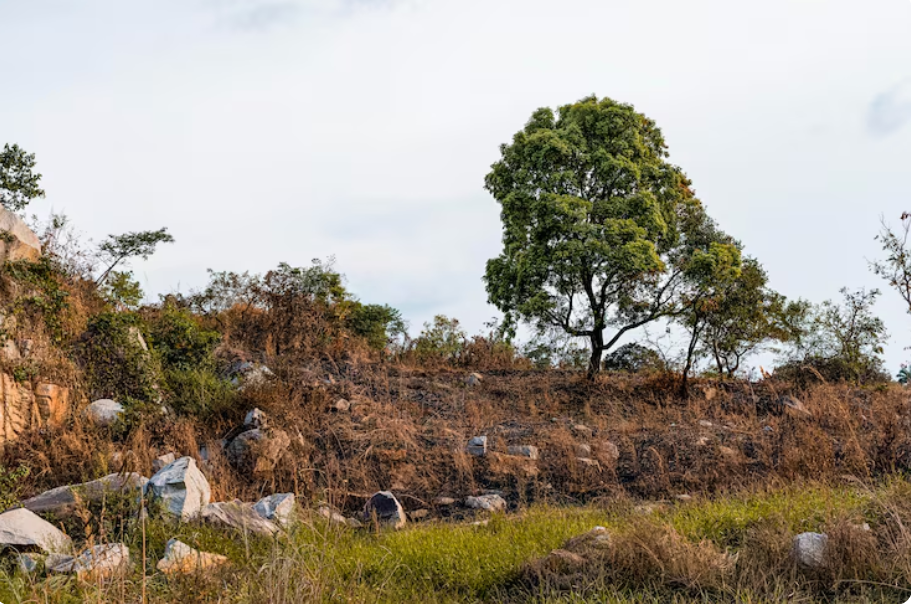
Living on the Palos Verdes Peninsula offers incredible ocean views, but the very humidity that cools our coastal homes creates a perfect environment for wood-destroying pests. According to regional pest management data, the lush, sloped topography of Rolling Hills significantly elevates your risk for cumulative structural damage.
Fortunately, you shouldn’t have to vacate your property for three days to protect its value. By specializing in the Treebark Termite system for Rancho Palos Verdes, Rolling Hills Estates, and the broader Peninsula, we provide the best no-tent termite treatment options available. This modern system acts as an invisible shield, effectively eliminating colonies without the massive disruption of traditional fumigation while letting your family stay comfortably inside.
Why the South Bay is a Termite ‘Hot Zone’: From the Sandy Flats to the Hillsides
While the coastal climate provides a comfortable breeze, our unique microclimate traps ocean moisture against the hillsides, mimicking a tropical environment that allows insects to thrive year-round.
Depending on your exact elevation, your property faces distinct angles of attack. Down in the flats of Torrance, residents frequently encounter a “Bottom-Up” threat, prompting many to seek out a localized Treebark termite treatment. These Subterranean colonies creep upward from the damp soil, silently eating away at crawlspaces long before you notice obvious signs of subterranean termite activity.
Conversely, the elevated neighborhoods of Rolling Hills primarily deal with a “Top-Down” invasion framework. Drywood termites swarm directly into attics and exposed beam ceilings on the wind, leaving subtle damage signs that are easily mistaken for normal house settling. Catching either threat early requires knowing exactly what to look for, such as distinct physical evidence like frass and mud tubes.
Identifying the ‘Invisible’ Invaders: Spotting Frass and Mud Tubes
Imagine returning from a weekend away to find what looks like coarse sand piled on your windowsill. This granular debris is “frass” (termite droppings), a primary indicator of a Drywood invasion. Mastering how to identify drywood termite droppings is crucial for preventing structural wood damage on the Peninsula. While bubbling paint might appear to be mere cosmetic wear, wood that sounds hollow when tapped reveals serious damage hiding just below the surface.
Subterranean species leave a completely different calling card. Because they require constant moisture, they build pencil-sized “mud tubes” to travel safely from the damp soil directly into your home’s framework. You can catch these stealthy invaders early by routinely inspecting a checklist of 4 high-risk areas in South Bay homes:
- Redwood decks
- Window tracks
- Attic beams
- Crawlspace foundations
Spotting these clues early protects your property without the hassle of moving out. Rather than waiting until slow decay forces a highly disruptive tenting procedure, early identification lets you utilize smarter treatments like Chlorantraniliprole, which creates a protective barrier around your home.
The Science of Treebark: How Chlorantraniliprole Creates an ‘Invisible Shield’
Protecting your coastal home shouldn’t require vacating for three days. The Treebark system uses a groundbreaking ingredient called Chlorantraniliprole (Altriset), which specifically targets termite muscle receptors while remaining remarkably gentle on mammals. When evaluating Altriset versus orange oil, Altriset stands out as a reduced-risk pesticide, forming the foundation of eco-friendly pest control that homeowners trust. This creates an invisible shield that delivers reliable, pet-safe termite extermination.
Instead of merely repelling pests, this solution utilizes a biological Trojan horse known as the “Transfer Effect.” Because termites constantly groom each other, a single forager moving through the treated zone unknowingly picks up the compound. That worker returns deep into your hillside soil, spreading the solution to thousands of others. Chlorantraniliprole systematically dismantles the hidden population without triggering a panic response.
The system’s greatest advantage is the long-term residual protection embedded directly into your framework. Tenting provides a temporary reset, leaving your property vulnerable the moment tarps drop, whereas Treebark remains active for years. This persistent defense stops future swarms before they establish themselves in your architecture. A continuous barrier is a crucial component of long-term property protection, naturally pairing with ongoing maintenance plans.
Strategic Protection for High-Value Assets: Maintenance Plans and Real Estate Requirements
Protecting your investment requires looking beyond temporary fixes. Calculating the cost of localized termite treatment versus tenting reveals massive savings for South Bay homeowners, especially when eliminating four-figure hotel and pet-boarding bills. Crucially, traditional fumigation leaves no lasting defense. Once the tent drops, homes face high secondary infestation risks, as new swarms from the damp hillside brush quickly reoccupy the freshly cleared, vulnerable wood.
Proactive defense stops this frustrating cycle. Investing in yearly termite maintenance plans for coastal homes sustains your property’s protective barrier long after the initial application. Regular monitoring easily identifies invasive foragers crawling from neighboring sloped lots before they can establish mature colonies, effectively preserving your home’s structural integrity.
When it comes time to sell, this ongoing diligence pays significant dividends. Meeting strict termite inspection requirements for Palos Verdes real estate ensures you effortlessly obtain a termite clearance certification—the mandatory legal document lenders demand to verify a property is pest-free. This documented proof safeguards your investment and streamlines any future property transactions.
Securing Your Home’s Future: Your South Bay Action Plan
Replace reactive stress with peace of mind by putting a comprehensive home termite protection strategy into action through this simple plan:
- Schedule a localized inspection.
- Receive a tailored, Peninsula-specific treatment plan.
- Implement the Treebark ‘Invisible Shield’ and commit to a routine maintenance schedule.
Choosing local professionals who understand South Bay ecology ensures your home gets the specialized care it needs. Treebark Termite and Pest Control is your local expert for both Torrance and the Peninsula. Embrace a modern approach to property preservation and book your inspection today.
