
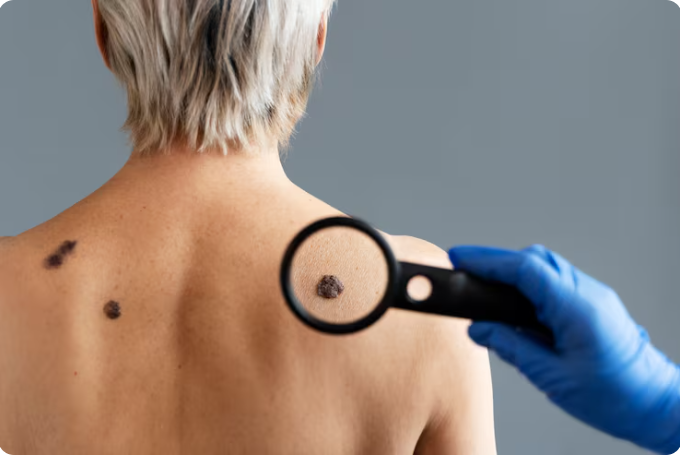
Melanoma Skin Cancer is the most aggressive form of skin cancer, developing in melanocytes—the cells responsible for producing melanin, the pigment that gives skin its color. Although it accounts for a smaller percentage of skin cancer cases, melanoma is responsible for the majority of skin cancer-related deaths because it can spread rapidly to other organs if left untreated. Fortunately, early diagnosis and modern treatment options have significantly improved survival rates.
For patients seeking advanced diagnostic services and comprehensive cancer care, Liv Hospital provides multidisciplinary treatment programs that combine experienced specialists with state-of-the-art medical technology.
What Is Melanoma Skin Cancer?
Melanoma begins when melanocytes undergo genetic mutations that cause them to grow uncontrollably. Unlike other common forms of skin cancer, melanoma has a greater tendency to invade deeper layers of the skin and spread through the lymphatic system or bloodstream to distant organs such as the lungs, liver, brain, and bones. Early-stage melanoma is often curable with surgery, while advanced cases may require additional therapies such as immunotherapy or targeted treatment.
Causes and Risk Factors
Several factors increase the likelihood of developing melanoma, including:
- Excessive exposure to ultraviolet (UV) radiation from sunlight.
- Frequent use of indoor tanning beds.
- Fair skin, light-colored eyes, or red or blonde hair.
- A history of severe sunburns, especially during childhood.
- Having numerous or atypical moles.
- A family history of melanoma.
- A weakened immune system.
- Increasing age, although melanoma can occur at any age.
Warning Signs and Symptoms
Melanoma often appears as a new mole or a noticeable change in an existing one. The widely recognized ABCDE rule can help identify suspicious skin lesions:
- A – Asymmetry: One half differs from the other.
- B – Border: Irregular or poorly defined edges.
- C – Color: Multiple shades or uneven pigmentation.
- D – Diameter: Usually larger than 6 mm, though smaller lesions can also be melanoma.
- E – Evolving: Any change in size, shape, color, or symptoms such as itching or bleeding.
Additional warning signs include persistent sores, dark streaks beneath nails, rapidly growing pigmented lesions, and moles that become painful or crusted.
Diagnosis
Early diagnosis is essential for successful treatment. A dermatologist may recommend:
- A comprehensive skin examination.
- Dermoscopy to closely evaluate suspicious lesions.
- An excisional or punch biopsy for laboratory analysis.
- Sentinel lymph node biopsy in selected patients.
- Imaging studies such as CT, MRI, or PET scans when advanced disease is suspected.
Treatment Options
Treatment depends on the stage of the disease and the patient’s overall health.
Surgical Removal
Surgery is the primary treatment for localized melanoma. The tumor is removed along with a margin of healthy tissue to reduce the risk of recurrence.
Immunotherapy
Modern immunotherapy helps activate the body’s immune system to recognize and destroy melanoma cells. It has become one of the most effective treatments for advanced melanoma.
Targeted Therapy
Patients whose tumors contain specific genetic mutations, such as BRAF mutations, may benefit from targeted medications that block cancer growth.
Radiation Therapy
Radiation may be recommended after surgery or to control melanoma that has spread to certain parts of the body.
Chemotherapy
Although less common today because of advances in targeted treatments and immunotherapy, chemotherapy may still be used in selected situations.
Prevention Tips
While not every case can be prevented, you can significantly lower your risk by:
- Wearing broad-spectrum sunscreen with SPF 30 or higher.
- Avoiding excessive sun exposure, especially during midday.
- Wearing protective clothing, hats, and UV-blocking sunglasses.
- Avoiding tanning beds.
- Examining your skin regularly for new or changing moles.
- Scheduling routine skin examinations if you have increased risk factors.
Prognosis
The prognosis for melanoma depends largely on how early it is detected. Localized melanoma has an excellent survival rate when treated promptly. Even for advanced disease, significant progress in immunotherapy and targeted therapies has improved long-term outcomes for many patients. This highlights the importance of regular skin checks and early medical evaluation of suspicious lesions.
Conclusion
Melanoma is a serious but highly treatable cancer when identified in its earliest stages. Understanding the warning signs, minimizing UV exposure, and seeking prompt medical attention for suspicious skin changes are essential steps toward protecting your health. Access to experienced specialists and comprehensive cancer care can make a meaningful difference in diagnosis, treatment, and recovery.
