
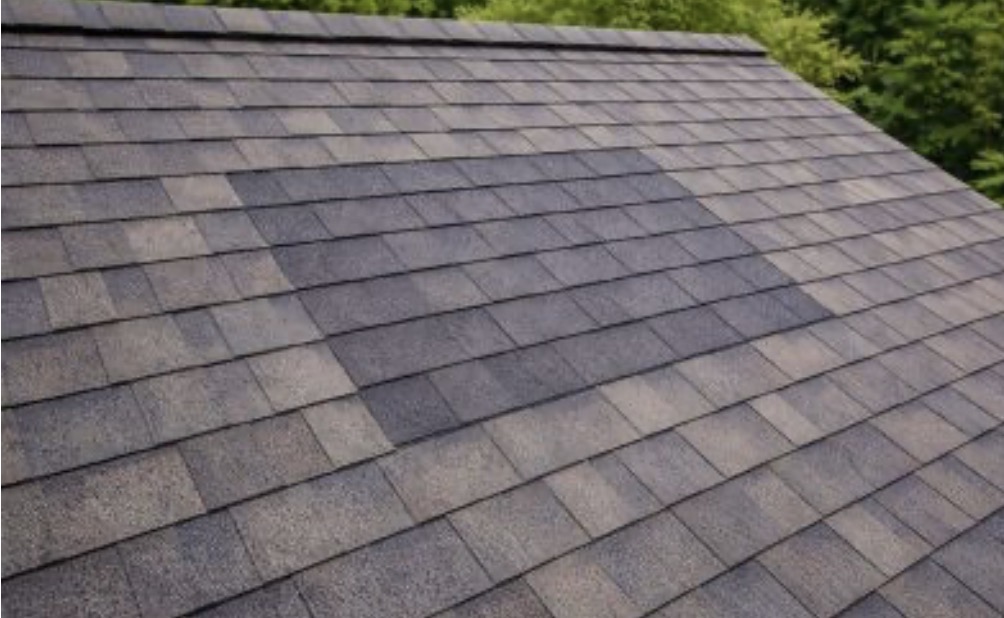
A home is often the most significant investment a person will ever make. It serves as a sanctuary, a place of comfort, and a shield against the unpredictable elements of nature. At the very peak of this investment sits the roof, a complex system designed to shed water, provide insulation, and maintain the structural integrity of the entire building. However, because it is “out of sight, out of mind,” the roof is frequently the most neglected component of home maintenance until a visible failure occurs. Understanding the lifecycle of your roofing system and the critical necessity of timely intervention is the difference between a minor maintenance task and a catastrophic financial burden.
The Hidden Dynamics of Roof Deterioration
Roofs do not fail overnight. Instead, they undergo a slow process of attrition caused by UV radiation, thermal expansion, and moisture infiltration. In many regions, the daily fluctuation in temperature causes roofing materials to expand and contract. Over years, this “thermal shock” creates micro-fissures in shingles and metal panels alike. When these small cracks are ignored, they become gateways for water.
Once water breaches the primary barrier, it begins to rot the wooden decking beneath. This moisture often remains trapped, creating a humid environment that is perfect for mold growth and wood-destroying fungi. By the time a homeowner notices a yellow stain on their bedroom ceiling, the internal damage has likely been progressing for months. This is why a proactive approach to Roof Repair is not just an aesthetic choice, but a fundamental requirement for home preservation.
Identifying the Silent Warning Signs
Most homeowners wait for a leak to call a professional, but savvy property owners look for the precursors. One of the most common signs of an aging roof is granule loss. If you notice a buildup of sand-like material in your gutters, your shingles are losing their protective layer against the sun. Without these granules, the asphalt core of the shingle becomes brittle and cracks.
Another warning sign is the “cupping” or “curling” of shingle edges. This usually indicates that the attic is not breathing properly. High heat and moisture levels in an attic can bake shingles from the inside out, causing them to lose their shape and their ability to shed water effectively. Furthermore, any daylight visible through the roof boards in your attic is a clear indicator that your home’s defense system has been compromised.
The Complexity of Modern Roofing Systems
A roof is much more than just shingles or metal sheets. It is an integrated system consisting of several layers, each with a specific job. The first layer is the deck, usually made of plywood or OSB. Over this lies the underlayment, a water-resistant barrier that acts as a second line of defense. Then there is the flashing metal strips installed around chimneys, vents, and valleys where two roof planes meet.
Flashing is perhaps the most critical component of the system and the most common point of failure. Because these areas are subject to high volumes of water runoff, any gap in the sealant or a rusted piece of metal can lead to significant leaks. High-quality roofing services focus heavily on these transition points. When considering a roof inspection, checking the integrity of the flashing around skylights and pipes should be the top priority, as these are the “weak links” in any structure.
The Financial Impact of Procrastination
The psychology of home repair often leads people to delay projects that aren’t immediately disruptive. However, roofing is one of the few areas where the cost of repair increases exponentially rather than linearly. A small leak around a vent pipe might cost a few hundred dollars to seal today. If left for a season, that same leak can rot the surrounding roof deck, damage the insulation, and ruin the drywall of the ceiling below, turning a minor fix into a multi-thousand-dollar renovation.
Beyond the immediate repair costs, there is the issue of energy efficiency. A compromised roof often goes hand-in-hand with poor insulation or ventilation. This causes your HVAC system to work significantly harder to maintain indoor temperatures. By investing in professional roofing services, you are often inadvertently lowering your monthly utility bills by ensuring your home’s thermal envelope is sealed tight.
Seasonal Considerations for Longevity
Every season brings a different set of challenges for a roof. In the spring, heavy rains test the drainage capacity of your gutters and the integrity of your shingles. Summer brings intense UV rays that can dry out sealants and cause materials to become brittle. Autumn is the season of debris; fallen leaves can clog gutters, leading to water backing up under the shingles. Winter is perhaps the most dangerous, as ice dams can form. Ice dams occur when heat escapes from the house, melts snow on the roof, and the water then refreezes at the colder eaves, forcing water upward and under the roofing material.
Maintaining a clear path for water to exit the roof is essential. This means keeping gutters clean and ensuring that trees are trimmed back so branches don’t rub against the surface. Constant abrasion from overhanging limbs can strip the protective coating off a roof in a matter of weeks during a windy season.
Choosing the Right Path Forward
When faced with roof damage, the big question is always whether to repair or replace. A general rule of thumb is that if the damage is localized to a specific area and the rest of the roof is in good condition, a targeted fix is the most logical and cost-effective choice. However, if the roof is approaching the end of its manufacturer-rated lifespan, usually 20 to 25 years for asphalt shingles, investing in a total roof replacement may be the wiser long-term financial move.
It is also important to consider the materials being used. The roofing industry has seen significant technological leaps in the last decade. Modern “architectural” shingles are much more durable and wind-resistant than the 3-tab shingles of the past. Similarly, synthetic underlayments have largely replaced traditional felt paper because they do not tear and offer much better moisture protection during the installation process.
Conclusion: The Value of Peace of Mind
Ultimately, a well-maintained roof provides something that is difficult to put a price on: peace of mind. Knowing that your family and your belongings are protected from the next big storm allows you to enjoy your home without the nagging anxiety of potential water damage. It is an investment in the longevity of the structure and the safety of everyone inside.
By staying vigilant, performing regular visual checks, and engaging with experts for a professionalRoof Repair whenever a problem is suspected, you can extend the life of your roof by years. Don’t wait for the sound of water dripping in the attic to take action. Treat your roof as the vital organ of your home that it is, and it will continue to protect you for decades to come.
