
When you walk into your home after a long day, flip on the thermostat, and hear the system kick into gear, you expect a fresh wave of clean air to fill the room. What you probably do not expect is that your hidden ventilation network might double as a five-star resort for local pests. From mice and rats to roaches and squirrels, critters view ductwork as a climate-controlled sanctuary protected from weather and predators. Unfortunately, their temporary residency does far more than just give you the creeps. When pests move into your ventilation lines, they inflict severe structural damage and contaminate the air your family breathes.
How Pests Gain Access to Your Air Distribution Network
Understanding how pests invade your home starts with looking at the vulnerable points of your ventilation system. Small rodents can squeeze through openings as narrow as a quarter, while insects need only a hairline fracture. Exterior dryer vents with broken damper flaps, loose crawl space access panels, and poorly sealed attic gable vents serve as prime entry points.
Once inside the building envelope, pests target the air distribution system. Flexible ductwork, constructed from thin outer plastic layers and inner wire coils, offers very little resistance to determined gnawing teeth. Rodents easily chew through this material to gain entry into main return lines and supply branches. Even rigid sheet metal trunks are vulnerable at loose fitting joints, unsealed register boots, or damaged duct board plenums where sealants have degraded over time.
Physical Structural Damage Caused by Uninvited Guests
Once inside, animals treat your ductwork like a construction site for their nesting grounds. Mice and rats shred the fiberglass thermal insulation wrapped around metal ducts, using the soft fibers to build warm beds inside the main airflow pathways. This destruction compromises the thermal barrier of your system, leading to significant heating and cooling losses in unconditioned spaces like attics and crawl spaces.
The physical damage does not stop with insulation. Larger animals like raccoons or squirrels can rip flexible ducts completely off their mounting hangers, causing major disconnects in your system. Furthermore, rodent teeth never stop growing, which drives them to chew on whatever is nearby. This includes electrical wiring connected to your air handler, safety controls, and damper actuators. The resulting tear or collapse starves certain rooms of airflow and forces your furnace or air conditioner to work much harder to maintain target temperatures.
The Indoor Air Quality Nightmare
While structural damage hits your wallet through elevated energy bills, biological contamination poses a direct threat to your indoor air quality. As pests settle into your supply trunks and return lines, they leave behind urine, droppings, shed skins, and dander. Every time the blower motor switches on, high-velocity air passes over these organic wastes, atomizing microscopic particles and dispersing them straight into your bedrooms and living spaces.
This constant recirculation of biological pollutants can trigger severe health responses. Microscopic rodent dander and cockroach allergens are known triggers for asthma attacks, chronic sinus irritation, and unexplained allergic reactions. Moisture from urine can also soak into acoustic duct liners, creating ideal breeding grounds for toxic mold spores. For homeowners seeking comprehensive removal of these hazardous biological materials, scheduling professional**air duct cleaning in Richardson** ensures that nesting debris and harmful pathogens are completely removed from the property.
Recognizing the Subtle Signs of a Pest Infestation
Pests excel at staying hidden, but they leave behind distinct operational clues inside your HVAC system. One of the most obvious red flags is a persistent, musty odor that grows stronger whenever the system turns on. This smell typically stems from accumulated waste, decaying nesting material, or an animal that unfortunately met its end inside a branch line.
You might also notice physical indicators around your ceiling and floor registers. Dark smudges along vent louvers, scattered droppings on floor grilles, or small piles of shredded insulation under air registers all point to activity inside the system. Acoustic signs are equally revealing. Rattling, skittering, or faint scratching noises coming from behind drywalls or above ceilings late at night strongly suggest that uninvited guests are navigating your air distribution pathways.
Professional Remediation and Mechanical Sanitizing
Clearing a pest-damaged duct system requires far more than placing a few snap traps in the hallway. Standard pest control might eliminate active rodents, but it leaves behind dangerous pathogens, shredded insulation, and compromised ductwork. Complete remediation demands a systematic mechanical approach to restore both structural integrity and sanitary conditions.
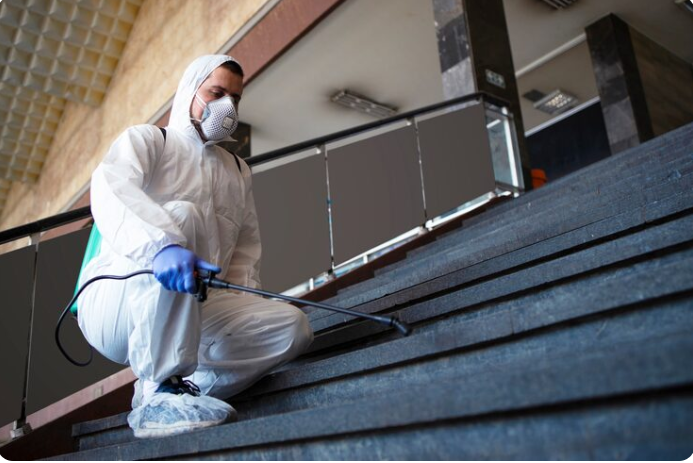
Professional technicians begin by isolating the system under powerful negative pressure using heavy-duty vacuum containment units. Flexible agitation tools, such as air whips and rotary brush systems, dislodge packed nesting material, droppings, and loose insulation fibers from every elbow and branch run. Once the physical debris is completely extracted, technicians fog the entire network with EPA-registered antimicrobial solutions to neutralize bacteria, mold spores, and persistent odors. Finally, damaged flex ducting is replaced, loose joints are sealed with mastic and foil tape, and exterior access points are capped with heavy mesh to prevent future break-ins.
Safeguard Your Home and Breathe Easy Again
Pest activity inside your ductwork is a dual threat that damages mechanical equipment and compromises the air your family breathes every day. By identifying vulnerabilities, recognizing early warning signs, and taking prompt action to repair damaged lines, you protect your system from costly breakdowns and keep your indoor environment safe. Investing in professional extraction, thorough sanitization, and proper duct sealing stops unwanted critters in their tracks and restores clean, comfortable airflow throughout your space. Reach out to a certified technician today to inspect your duct system, eliminate hidden contaminants, and enjoy fresh, healthy air in your home.
