
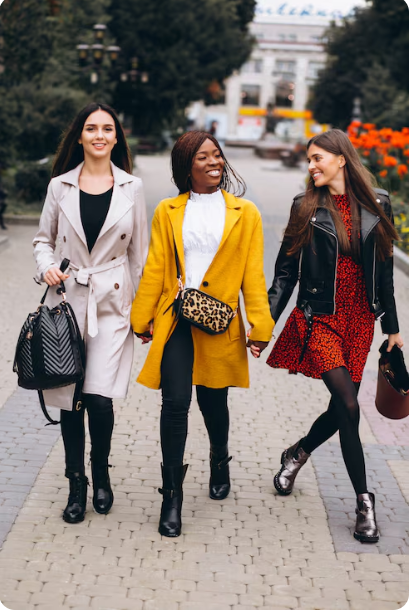
Fashion trends never disappear. They transform and come back, reflecting new values of the upcoming generation. The style that used to represent something rebellious or elegant or practical can get an entirely new sense decades later. Instead of evolving linearly, fashion grows continuously as each new generation reshapes familiar ideas within the context of the new cultural environment.
Firstly, the continuity of the trend’s cycle lies in the connection of fashion with the collective memory. Fashion designers refer to the previous decades but do not copy the styles; instead, they interpret and adapt them for the current times. The wide leg trousers, oversized tailoring, minimalist silhouettes, vintage inspired accessories and many other styles have undergone a number of reboots, but each time these designs were adjusted according to the lifestyle and the new requirements of modern culture.
Generational differences influence the approach to fashion, as well. Some clothes that used to represent something significant for older generations, such as an event or a memorable period, can be perceived differently by young consumers who discover them through social media, streaming websites, movies and TV series, celebrities’ wardrobe or digital archives.
Moreover, the fashion trend towards archival collections contributes to the cyclicality even more. The major luxury houses regularly refer to iconic collections in order to revive some elements. Even the independent designers use the historical references when creating their collections and interpreting them through the prism of the current reality. Thus, the collection usually represents the mix of something familiar and new.
Though the color palette and the fabric get much attention in fashion, the silhouette is the easiest thing to recognize as changing according to the fashion preferences. The evolution from tailoring and structure to relaxed shapes, and then to the interest in the structured silhouettes demonstrates the reflection of social attitudes in clothes, as well. The analysis of the correlation between the silhouettes and the cultural identity of fashion can show how the changes in the shape are the reflection of the cultural values and historical influences.
Technology also accelerates the process of transformation of the trends from one generation to another. In the previous years, the change of fashion trends was mostly dictated by magazines, television and runway shows. Nowadays, the collection from the archive, vintage photos and runway collections are easily accessed within seconds. This helps the younger audience to discover the styles that belong to the previous generations, and gives designers a wider range of references.
The influence of celebrities also remains, but changes its role. Instead of presenting a new direction, the stars help to revive the existing aesthetics by appearing in the outfit of a certain style. One appearance in the outfit with the vintage tailoring or an archival accessory can revive the trends that existed for decades. After this, social media spread this trend widely, and retailers and consumers start discovering the similar styles.
In addition, there is much more global cultural exchange now. Designers use the traditional techniques, craftsmanship and the inspiration of the artistic movements from all around the world. These references form the collections with historical references and contemporary design rather than with the reference to only one historical epoch or one country.
Also, there are other priorities in the consumers now. In addition to following the trends, many shoppers want clothes to be versatile, long-lasting and timeless. This leads to the creation of the collections that will be worn not only during the next season, but much longer. The items with the classic and durable construction with contemporary details attract consumers from different generations.
