
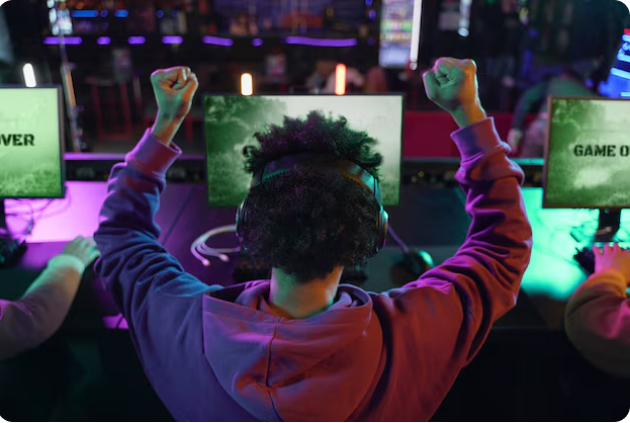
Competitive platform gaming hoki77 is way more than just smashing buttons and hoping for a lucky win. Behind every clutch play, insane comeback, and championship trophy is a whole ecosystem of players, teams, coaches, creators, and organizers. It’s basically a digital food chain where everyone has a role, and only the most prepared can stay on top.
The Draft Kings: Building a Winning Squad
Every competitive team starts with one big challenge: picking the right players. A squad might have incredible individual talent, but that doesn’t automatically mean they’ll work well together. Team chemistry, communication, and game knowledge can make or break a season.
Drafting players is almost like putting together a puzzle. You need someone who can lead, someone who understands strategy, and someone who can deliver when the pressure gets intense. A flashy player might grab attention, but consistency is what keeps a team competitive.
The smartest organizations don’t just chase famous names. They look for players who can adapt, learn from mistakes, and put the team’s goals ahead of personal highlights.
Meta Breakers: The People Who Change the Game
In competitive gaming, the meta is basically the current collection of strategies, characters, weapons, or tactics that players consider most effective. But here’s the twist: following the meta isn’t always enough.
Meta breakers are the creative minds who experiment with unexpected strategies. They spot weaknesses that others overlook and turn unusual ideas into serious competitive advantages.
Sometimes, one surprising strategy can completely change how an entire tournament is played. Opponents suddenly have to rethink their plans, coaches need new approaches, and players must adapt fast.
That’s why staying curious matters. A team that refuses to experiment can quickly become predictable. In a scene where everyone studies everyone else, being unpredictable is a pretty powerful advantage.
Tournament Predators: Surviving the Pressure
Tournament-level competition is a different beast. Practice matches are useful, but playing on a major stage brings pressure that can’t always be recreated in training.
Tournament predators are players who understand how to stay focused when everything gets intense. They manage their energy, communicate clearly, and avoid letting one bad round ruin their entire performance.
Preparation also plays a huge role. Teams review previous matches, study opponents, and build strategies for different situations. Even small details, like timing and positioning, can make a massive difference.
And let’s be real: raw talent only gets you so far. Discipline, teamwork, and mental preparation are what help players perform consistently.
The Hidden Crew Behind the Spotlight
Players might get most of the attention, but competitive gaming depends on a much bigger team. Coaches help refine strategies, analysts study match data, managers handle schedules, and event organizers make tournaments happen.
Content creators and commentators also help bring the scene to life. They turn exciting matches into stories that fans can follow, discuss, and share.
This wider ecosystem creates opportunities beyond becoming a professional player. People with skills in editing, production, marketing, statistics, and event management can all contribute to the industry.
The Future of the Competitive Gaming Food Chain
Competitive gaming on platform like https://hoki77.rent/ keeps evolving, and staying relevant means being ready for change. New titles appear, strategies shift, and fresh talent constantly enters the scene.
The teams that last aren’t necessarily the ones with the biggest budgets or the loudest fanbases. They’re the ones willing to learn, experiment, and improve.
At the end of the day, the competitive gaming food chain is all about adaptation. Draft kings build the squad, meta breakers challenge expectations, and tournament predators deliver when it counts. Everyone has a place in the ecosystem, but the real champions are the ones who understand how all the pieces fit together.erikutnya.
