
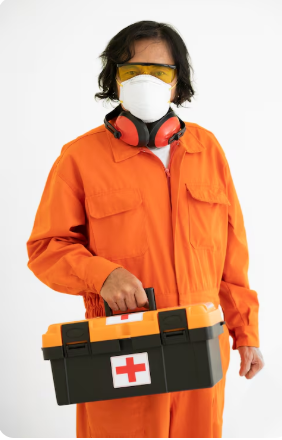
Workplace safety is a critical responsibility for organizations across industries. Whether operating in manufacturing plants, laboratories, warehouses, chemical processing facilities, or construction sites, employers must be prepared to respond quickly to unexpected incidents. Among the most important safety measures are effective spill management systems and emergency decontamination equipment.
The Importance of Spill Response Preparedness
Chemical leaks, oil spills, and hazardous liquid accidents can occur without warning. When these incidents happen, a rapid response is essential to minimize environmental damage, prevent injuries, and maintain regulatory compliance. Having a reliable spill kit readily available allows workers to contain and clean up spills efficiently before they spread and create larger hazards.
Spill kits typically contain absorbent pads, socks, pillows, disposal bags, and protective equipment designed to manage different types of spills. By equipping facilities with the appropriate spill response tools, businesses can significantly reduce downtime and improve workplace safety. Industry safety suppliers offer specialized solutions for chemical, oil, and general-purpose spill management to meet diverse operational needs.
Protecting Employees from Hazardous Exposure
In environments where chemicals are handled, workers face potential exposure to corrosive substances, solvents, and other hazardous materials. Even a minor accident can result in serious injuries if immediate decontamination measures are not available.
This is where an emergency shower and eye wash station becomes essential. These units are specifically designed to flush harmful chemicals from the skin, face, and eyes during an emergency. Quick access to clean water can significantly reduce the severity of injuries and improve recovery outcomes. Emergency shower and eyewash stations are commonly installed in laboratories, manufacturing facilities, chemical storage areas, and industrial workplaces where hazardous substances are present.
Compliance and Safety Standards
Many workplace safety regulations require employers to provide suitable emergency response equipment when hazardous materials are present. Regular inspection, maintenance, and employee training are necessary to ensure all safety systems function correctly when needed.
A properly maintained emergency shower and eye wash station should be easily accessible, clearly marked, and capable of delivering adequate water flow during emergencies. Routine testing helps verify operational readiness and ensures compliance with recognized safety standards.
Building a Safer Workplace Culture
Safety equipment alone is not enough. Organizations should foster a culture of preparedness by training employees on spill response procedures, emergency evacuation protocols, and the proper use of safety equipment. When workers understand how to react during emergencies, the risk of serious injuries and operational disruptions decreases significantly.
Combining effective spill containment solutions with emergency decontamination equipment creates a comprehensive approach to workplace safety. Investing in these essential resources demonstrates a commitment to employee well-being, environmental protection, and operational excellence.
Conclusion
Every workplace that handles hazardous materials should prioritize emergency preparedness. From maintaining a dependable spill response system to installing accessible decontamination stations, proactive safety measures can make a substantial difference when accidents occur. By implementing the right equipment and training programs, businesses can create safer environments while meeting their regulatory obligations and protecting their workforce.
